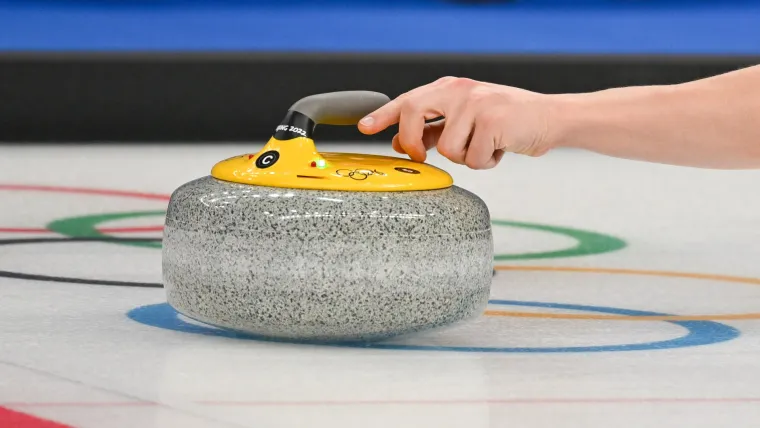
Understanding the Basics of Curling and Brush Techniques
Curling is a precision sport that involves sliding stones on a sheet of ice towards a target area, known as the “house.” The objective is to accumulate points by having one’s stones closest to the center of the house after all stones have been played. A key aspect of curling lies in the path that each stone takes when it is delivered, which can be influenced significantly through various techniques, particularly the use of brushes.
The importance of the stone’s path cannot be overstated, as it directly affects the outcome of the game. Players aim to maximize their scoring potential by carefully calculating the trajectory and speed of each stone. To achieve this, the role of brushes becomes paramount. Brushes are utilized to alter the conditions of the ice in front of the sliding stone, thereby impacting its movement. The brushing technique not only affects the distance the stone travels but can also influence its curling action.
During gameplay, teammates strategically brush the ice ahead of the stone, applying varied pressure and speed, which can either decrease the friction or increase the momentum. By removing debris or creating a smooth path on the ice, players can control how the stone behaves as it approaches the target. This process fundamentally illustrates how do brushes affect the stone’s path in Olympic curling, as well as emphasizing the collaborative effort required among team members to achieve optimal results. Familiarity with curling terminology such as “sweepers,” “line,” and “weight” enables players and fans alike to appreciate the intricacies of this captivating sport.
The Physics Behind Brushing: Heat, Friction, and Engagement
The complex interplay of physics plays a pivotal role in understanding how do brushes affect the stone’s path in Olympic curling. One of the main components at play is the friction produced when brushes make contact with the ice surface. As the brush glides over the ice, it generates friction, which can alter the texture of the ice and, subsequently, the movement of the stone. This friction reduces the amount of glide the stone experiences and can influence its speed and trajectory.
Moreover, the act of brushing also generates heat, which can have a significant impact on the ice’s condition. Heat causes a thin layer of water to form on the ice surface, effectively creating a more slippery pathway. This phenomenon enhances the stone’s speed, thereby allowing players to strategically control the game’s dynamics. The degree of heat generated depends on various factors, including the speed and pressure applied by the brush, making the choice of brush essential for optimal gameplay.
Types of brushes utilized in Olympic curling further influence how brushes affect the stone’s path. Different materials and brush heads can create varying levels of friction and heat. For instance, synthetic brushes are known for their ability to hold up over extended periods and to clear ice more effectively than traditional brushes. This adaptability allows curlers to execute strategies more effectively, whether they seek to increase the speed of a sliding stone or to meticulously control its path. Thus, understanding the physics of brushing equips athletes with the knowledge to leverage these elements for optimal performance on the rink.
Strategic Brush Techniques: When to Brush and Why
In Olympic curling, the use of brushes is pivotal to influencing the stone’s path. The timing and technique of brushing play a strategic role during a match, as they can drastically adjust the stone’s speed and trajectory. Understanding when to deploy these techniques calls for both skill and an acute awareness of the game dynamics.
Brushing is primarily used in three scenarios: to increase the stone’s speed, to target specific positions, and to manipulate the degree of curling. When teams aim to increase the distance a stone travels, they apply brushes in front of its path. This creates a thin layer of water on the ice surface, reducing friction and enabling the stone to slide more freely. An excellent example of this occurred in the gold medal match of the 2010 Olympics, where a well-timed brushing technique allowed the Canadian team to secure a critical point.
Moreover, when aiming for precision, brushing can guide the stone toward a target, especially in scenarios involving tight margins. The sweeping team must work in unison to maintain an optimal angle and speed, ensuring the stone approaches the desired location with accuracy. During the 2014 Olympics, one team’s strategic brushing changed the dynamics of the game, as it allowed them to navigate through tightly packed stones and achieve a clear path to the house.
Additionally, brushing mitigates the stone’s curl, which is essential when players seek to control a more challenging trajectory. This technique becomes crucial when aiming for complex placements or executing a delicate draw shot. Noteworthy matches have demonstrated how proper brush techniques can alter the stone’s final position, leading teams to victory through expertise and precise execution.
Future Trends in Brush Technology and Its Impact on Curling
The evolution of curling brush technology is pivotal in determining how do brushes affect the stone’s path in Olympic curling. Advances in materials and design not only enhance performance but may also reshape the strategies employed by teams. One of the significant trends in brush technology is the development of lighter, more durable materials, such as advanced composites or specialized synthetics. These materials can offer better grip and control, allowing teams to optimize the stone’s trajectory with precision.
Another innovative aspect to consider is the design of the brush bristles. Traditional brushes have undergone significant modification; contemporary designs now feature structured bristle configurations aimed at minimizing friction while maximizing control over the stone’s movement. This modification leads to a more efficient use of energy during brushing, directly affecting how do brushes affect the stone’s path in Olympic curling competitions.
Furthermore, with the rise of technology in sports equipment, there is potential for smart brushes equipped with sensors that can provide real-time feedback on brushing speed and technique. This kind of innovation could not only enhance a team’s performance but also influence training methods and strategy development. Coaches may use data collected from these devices to analyze performances and make informed decisions during games. As the technology continues to evolve, it could lead to amendments in the rules governing curling equipment, as governing bodies aim to maintain a level playing field. Understanding these trends is essential for teams aiming to remain competitive in future Olympic games, ultimately altering how the game is played and appreciated on the world stage.
