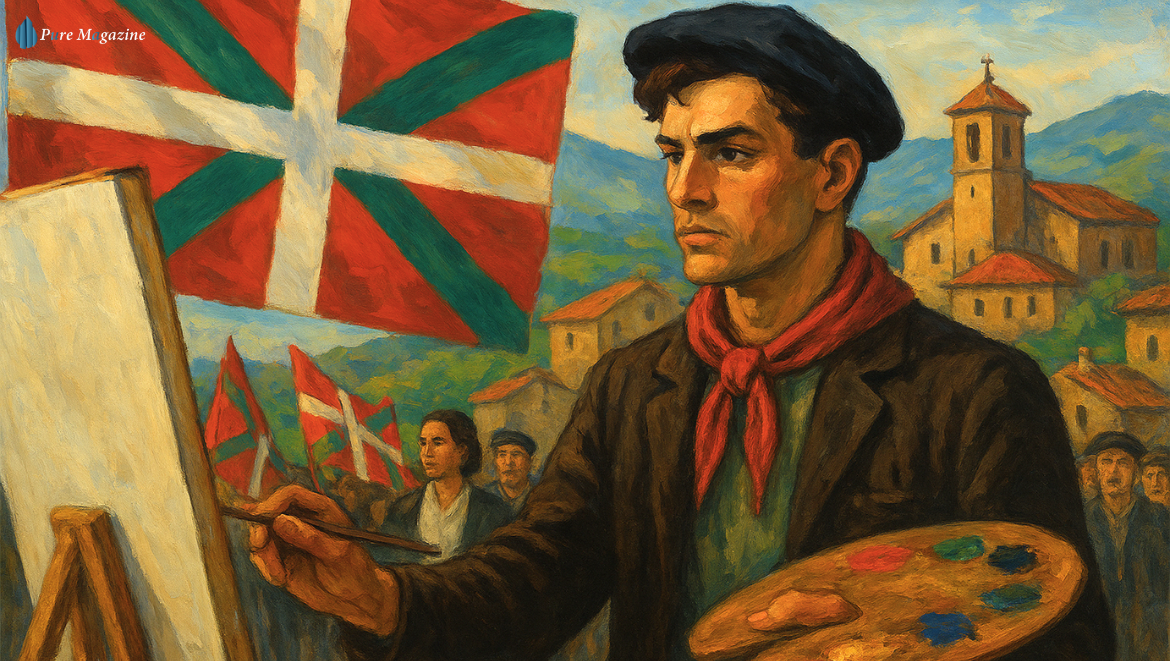
The Rich Heritage of Basque Serpentists
The tradition of Basque serpentists is deeply rooted in the cultural heritage of the Basque Country, a region straddling the western Pyrenees and spanning both Spain and France. This unique musical practice, characterized by the use of the serpent, an ancient wind instrument, showcases the historical fusion of various musical influences and serves as a vibrant expression of Basque identity. The serpent, often made of brass and resembling a snake, has been used since the Renaissance period, contributing significantly to the richness of the Basque musical landscape.
Historically, the role of serpentists in religious and community events was pivotal. The instrument’s deep, resonant tones were commonly employed in church music and during festivities, elevating the communal experience and resonating with the spiritual ambiance of the events. Over time, the casting of serpentists in a more secular light allowed the music to evolve, embracing contemporary styles while retaining the essential characteristics of traditional Basque music. This adaptability has enabled the art form to continue captivating audiences and conveying the narratives integral to Basque culture.
The cultural significance of the serpentists has been maintained through successive generations, with younger artists inspired to learn from their predecessors. Workshops and festivals dedicated to this art form play a crucial role in preserving the techniques and styles unique to the Basque serpentists. Additionally, the intertwining of the serpent’s music with other regional instruments creates a fascinating tapestry of sound, reflecting the diverse cultural backdrop of the Basque region. Thus, the legacy of Basque serpentists endures, its traditions nourished by both historical contexts and ongoing creative evolution.
Mastering the Craft: Techniques and Styles
The art of playing the serpent is one that requires intricate knowledge and skill, particularly among the talented basqueserpartists. These musicians have honed their craft through years of dedication, developing unique techniques that not only highlight their individual proficiency but also the rich traditions of the Basque region.
At the core of mastering the serpent lies an understanding of breath control and finger positioning. As a brass instrument, the serpent demands the musician to engage their diaphragm effectively, ensuring a powerful and controlled sound. Basque serpentists employ various breathing techniques, allowing for extended playing time without sacrificing tone quality. This aspect of performance is crucial, as it directly impacts the expressiveness of the music.
In addition to breath control, the use of varying finger placements is essential for achieving different notes and tonal effects. Each region in the Basque Country may have its own styles, influenced by local traditions and the preferences of individual serpentists. For instance, some players might emphasize certain scales or embellishments typical of a specific locality, adding a regional character to their performance. This diversity not only showcases the artistic skills of the basqueserpartists but also reflects the cultural nuances of the communities from which they hail.
Moreover, the interpretive aspect of playing the serpent should not be overlooked. Many serpentists incorporate personal flair into their performances, utilizing techniques like vibrato or dynamic variations to create a distinctive sound. These artistic choices contribute significantly to how the music is perceived by audiences, fostering a deep emotional connection between the musician and listeners. In essence, the techniques and styles employed by Basque serpentists are a testament to their artistic evolution and dedication to keeping this historical instrument alive.
Modern Influence and Adaptation in Contemporary Music
In recent years, the role of basqueserpartists has undergone significant transformation as these musicians embrace contemporary musical genres while honoring their rich traditions. Modern Basque serpentists have found innovative ways to adapt the distinct sound of the serpent, a traditional wind instrument, to suit evolving musical landscapes. This adaptation not only keeps the instrument relevant but also expands its audience and application.
One notable trend is the fusion of the serpent’s sound with various contemporary music styles. Collaborations between basqueserpartists and artists from different genres have led to exciting new works that blur the boundaries between classical, folk, jazz, and even electronic music. These collaborations often showcase the versatility of the serpent, allowing it to complement diverse instrumental arrangements and vocal styles, enriching the overall sound experience.
Moreover, serpentists are increasingly engaging in cross-genre performances, infusing traditional Basque melodies with modern rhythms and harmonies. This blend is reflective of a broader movement within the music community that encourages experimentation and openness to new influences. Artists are utilizing the serpent in various formats, from orchestral compositions to smaller acoustic sessions, thereby demonstrating its adaptability in contemporary settings.
The increased integration of serpent sounds in modern compositions also highlights a growing appreciation for the cultural significance of this instrument. As audiences become more aware of the history and craftsmanship involved, they are drawn to the unique tonal qualities that basqueserpartists bring to their music. The sound of the serpent, with its rich roots steeped in Basque folklore, continues to find a place in today’s music scene, affirming the enduring relevance of this traditional art form.
Profiles of Notable Basque Serpentists
The tradition of serpent playing in the Basque Country has seen the emergence of numerous talented individuals who have significantly contributed to the craft. These basqueserpartists not only carry forward the rich musical heritage but also innovate within the tradition, ensuring its relevance in contemporary music. One of the most notable figures is Juan Pedro Arrieta, a master serpentist known for his exceptional skills and deep knowledge of Basque folk music. Arrieta has dedicated his career to reviving traditional melodies while incorporating modern influences, thus bridging the gap between the past and present.
Another significant contributor is Ane Garmendia, a talented serpentist whose fresh approach has won her recognition both nationally and internationally. Garmendia’s performances often merge traditional serpent music with elements of jazz and classical forms, showcasing the versatility of the serpent as an instrument. Her dedication to this art form has been crucial in inspiring a new generation of musicians to explore the depths of Basque musical identity.
Additionally, we cannot overlook the contributions of Igor Iturria, whose role as a teacher has been instrumental in nurturing upcoming serpentists. Through workshops and educational programs, Iturria emphasizes the importance of cultural preservation while encouraging the exploration of innovative techniques. His students have gone on to perform at renowned music festivals, further solidifying the basin prominence of the basqueserpartists.
These individuals represent just a fraction of the vibrant community of Basque serpentists. Their stories highlight the commitment to cultural heritage while also showcasing the adaptability of the serpent in modern musical expressions. As they continue to share their expertise, they pave the way for the future of this noble craft.
